Postpartum Preparation: What to Expect After Delivery

Navigating the “Fourth Trimester”

A successful pregnancy culminates in the miraculous moment of childbirth, but the experience doesn’t end there.  The postpartum period, often referred to as the “fourth trimester,” is a significant phase that brings its own set of physical, emotional, and lifestyle changes. Knowing what to expect during this period is essential to help new mothers to this transition with confidence and preparedness. In this article we will delve into the postpartum experience, covering physical recovery, emotional well-being, and tips for a smooth adjustment to this transformative phase.
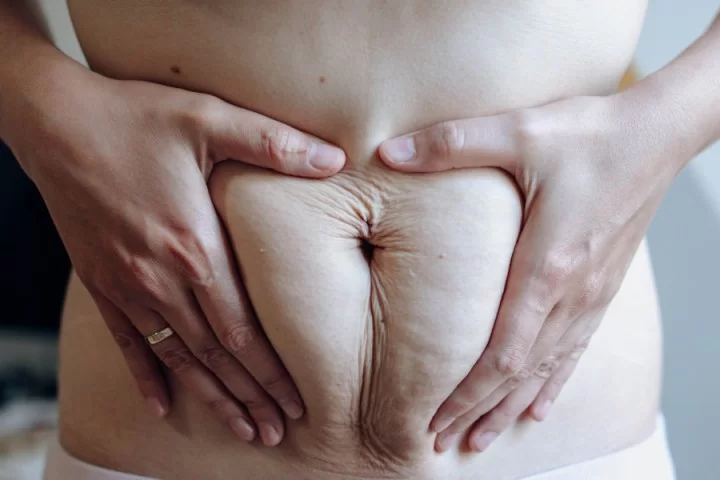
Physical Changes: Healing and Recovery

  1. Uterine Contractions and Bleeding:  After childbirth, the uterus continues to contract back to its pre-pregnancy size. This contraction process, known as involution, may cause cramping and discomfort. Postpartum vaginal bleeding, also called lochia, is normal and can last for several weeks. It starts heavy and gradually lightens over time.
  2. Perineal Healing: If you had a vaginal delivery, the perineal area may be sore or swollen. Applying ice packs and using a peri bottle for gentle cleansing can provide relief. Stitches used to repair episiotomies and/or tears will gradually dissolve.
  3. Cesarean Section Recovery: If you underwent a C-section, your recovery would involve healing from the surgical incision. Following your healthcare provider’s guidelines for wound care, pain management, and movement is crucial.
  4. Breast Changes: Your breasts will undergo changes as they transition from producing colostrum to mature milk. Engorgement, leaking, and changes in breast size are common. Properly fitting nursing bras and breast pads can offer comfort and support.
  5. Hormonal Shifts: Postpartum hormonal shifts can contribute to mood swings, night sweats, and hair shedding. These changes are temporary and typically resolve over time.

Emotional Well-Being: Navigating the Roller Coaster

  1. Baby Blues: Many new mothers experience the “baby blues”, a period of mood swings, tears, and anxiety, usually occurring within the first two weeks postpartum. These feelings are normal and often linked to hormonal changes.
  2. Postpartum Depression: While baby blues are transient, postpartum depression is more persistent and severe. If you experience symptoms like persistent sadness, hopelessness, and a lack of interest in daily activities, seek advice from your healthcare provider.
  3. Bonding with Baby: Building a strong bond with your baby takes time. If you don’t feel an immediate connection, know that it is normal. Skin-to-skin contact, eye contact, and spending quality time together can nurture this relationship. Sometimes your newborn may be slow in responding to you, don’t worry.

These relationships may take longer; not all newborns respond the same way at the same time.

Self-Care and Adjustments: Navigating the New Normal

  1. Rest and Sleep: Sleep deprivation is common in the early postpartum days. Prioritize rest by napping when the baby sleeps and accepting help from friends and family.
  2. Nutrition and Hydration: A balanced diet and adequate hydration are crucial for recovery and breastfeeding. Focus on healthy nutrient-dense foods to support your healing and energy levels.
  3. Physical Activity: Light exercise and gentle movements can aid your recovery. Consult your healthcare provider before resuming more intense workouts.
  4. Support System: Surround yourself with a strong support system. Lean on loved ones, join postpartum support groups, and connect with other new mothers.
  5. Asking for Help: Don’t hesitate to ask for assistance. Accepting help with household chores, cooking, and baby care can alleviate stress and allow you to focus on recovery.

Breastfeeding and Infant Care: Nurturing Your Baby

  1. Breastfeeding Challenges: Breastfeeding can be challenging initially, with issues like latching difficulties and sore nipples. Seek support from lactation consultants or breastfeeding support groups.
  2. Diaper Changes and Sleep: Diaper changes and feeding schedules dominate the early days. Newborns sleep frequently but may not follow a regular sleep pattern.  Newborns do two things; eat and sleep.

Embracing the Postpartum period

The postpartum period is marked by physical changes, emotional adjustments, and the joyful experience of bonding with your newborn. An awareness of the shifts your body and mind undergo can prepare you for the challenges and joys of this period. Remember that self-care, seeking support, and communicating openly with your healthcare provider are essential for a smooth transition. Embrace the process and cherish the precious moments that come with nurturing your newborn and nurturing yourself.

The information is presented as a general guide to present information the postpartum period.   It is for informational purposes only.  The information provided is not intended to be the only information available about the postpartum period.  The material provided is not expected to be a substitute for advice or information from your physician or health care provider.

If you have any questions, concerns, apprehensions, unease, or worry the postpartum period contact your health care provider immediately.

Enjoy our other blog articles

Some of our fun products!

Disclaimers

WARRANTY DISCLAIMER

ALL WARRANTIES OF ANY KIND WHATSOEVER EXPRESS, IMPLIED, AND STATUTORY, ARE HEREBY DISCLAIMED. ALL IMPLIED WARRANTIES OF MERCHANTABILITY AND FITNESS FOR A PARTICULAR PURPOSE ARE HEREBY DISCLAIMED. THE PRODUCTS SOLD, INCLUDING SONOGRAMS, ULTRASOUNDS, FAKE PREGNANCY DOCUMENTS, AND FAKE PREGNANCY TESTS ARE SOLD ‘AS IS’ BASIS.

PROFESSIONAL DISCLAIMER FOR WEBSITE

THE SITE CANNOT AND DOES NOT CONTAIN [MEDICAL/ LEGAL/ FITNESS/ HEALTH/ OTHER] ADVICE. THE INFORMATION IS PROVIDED FOR PRANKS PURPOSES ONLY AND IS NOT A SUBSTITUTE FOR PROFESSIONAL ADVICE.
ACCORDINGLY, BEFORE TAKING ANY ACTIONS BASED UPON SUCH INFORMATION, WE ENCOURAGE YOU TO CONSULT WITH THE APPROPRIATE PROFESSIONALS. WE DO NOT PROVIDE ANY KIND OF MEDICAL/ LEGAL/ FITNESS/ HEALTH ADVICE. THE USE OR RELIANCE OF ANY INFORMATION CONTAINED ON THIS SITE, OR OUR MOBILE APPLICATION, IS SOLELY AT YOUR OWN RISK.

MEDICAL ADVICE DISCLAIMER

THIS WEBSITE DOES NOT PROVIDE MEDICAL ADVICE. THE INFORMATION, INCLUDING BUT NOT LIMITED TO, TEXT, GRAPHICS, IMAGES AND OTHER MATERIAL CONTAINED ON THIS WEBSITE ARE FOR PRANK PURPOSES ONLY. NO MATERIAL ON THIS SITE IS INTENDED TO BE A SUBSTITUTE FOR PROFESSIONAL MEDICAL ADVICE, DIAGNOSIS OR TREATMENT. ALWAYS SEEK THE ADVICE OF YOUR PHYSICIAN OR OTHER QUALIFIED HEALTH CARE PROVIDER WITH ANY QUESTIONS YOU MAY HAVE REGARDING A MEDICAL CONDITION OR TREATMENT AND BEFORE UNDERTAKING NEW HEALTH CARE REGIMEN, AND NEVER DISREGARD PROFESSIONAL MEDICAL ADVICE OR DELAY IN SEEKING IT BECAUSE OF SOMETHING YOU HAVE READ ON THIS WEBSITE.

HIPAA DISCLAIMER

THE PARTIES AGREE THAT ANY PRODUCT PURCHASED ON THE ULTRA SOUNDS1 WEBSITE SHALL NOT BE USED FOR ANY PROPOSE OTHER THAN AS A PRANK. WITHOUT EXCEPTION NO ULTRA SOUNDS1 PRODUCT SHALL BE PROVIDED/SUBMITTED TO ANY GOVERNMENTAL OR OTHER AGENCY, MEDICAL DOCTOR, ARBITER OF A DISPUTE, AS PROOF OF PREGNANCY, PAST OR CURRENT, OR TO CLAIM ANY BENEFIT FOR WHICH A PREGNANT WOMAN MAY BE ELIGIBLE, OR ENTITLED TO RECEIVE, BASED ON HER BEING PREGNANT. NO HIPAA PROTECTED PATIENT HEALTH INFORMATION CONNECTED TO ANY ULTRA SOUNDS1 PRODUCT, IS INTENDED, OR CONVEYED, WITH RESPECT TO THIS SALE.

SHIPPING DELAYS

THE PARTIES AGREE THAT ULTRA SOUNDS1 IS NOT RESPONSIBLE FOR ANY LIABILITY WHATSOEVER FOR DELAYS IN SHIPPING THE PRODUCT. THE PARTIES FURTHER AGREE THAT THE SOLE REMEDY FOR ANY SHIPPING DELAYS IS THE REFUND OF THE PURCHASER’S PAYMENT FOR THE PRODUCT.

CHOICE OF FORUM

THE PARTIES AGREE THAT THE FORUM FOR ANY LEGAL ACTION ASSOCIATED WITH THE SALE AND PURCHASE OF THE PRODUCT IS THE STATE OF ILLINOIS.